
TOURISM
1/16/2025
2 min read
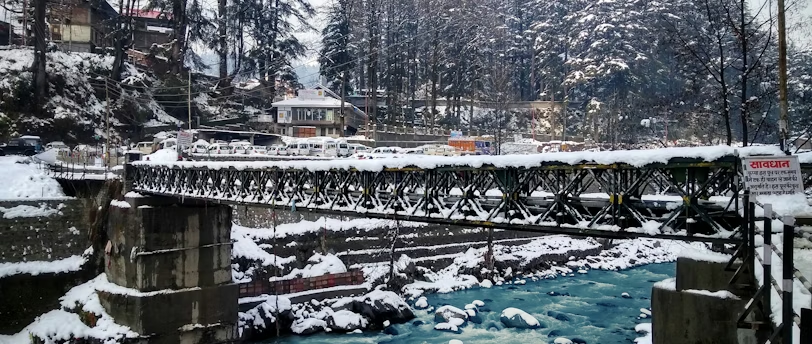
Discover Manali in Winter, Visiting Manali from Delhi in Winters: Hotels & Tips
Manali transforms into a magical wonderland during the winter months, offering snow-covered landscapes, cozy vibes, and thrilling adventures. If you’re planning a trip from Delhi to Manali in the winters, here’s everything you need to know to make your journey smooth, enjoyable, and unforgettable.
1. Why Visit Manali in Winters?
-
Snowfall: Experience the charm of fresh snow and build your first snowman.
-
Winter Activities: Skiing, snowboarding, and tubing in Solang Valley.
-
Festive Vibes: Christmas and New Year celebrations are lively and magical.
-
Cozy Stay: Stay in wooden cottages with warm fireplaces.
2. Best Time to Visit in Winter
Manali experiences winters from late November to February, with snowfall typically starting in December.
-
December: Perfect for Christmas celebrations and witnessing fresh snow.
-
January-February: Ideal for adventure sports and enjoying peak winter vibes.
3. How to Reach Manali from Delhi in Winters
-
By Road:
-
Distance: 550 km
-
Travel Time: 12-14 hours (depending on road conditions).
-
Options:
-
Buses: Regular Volvo and Himachal Road Transport Corporation (HRTC) buses connect Delhi to Manali. These are safe and comfortable.
-
Self-Drive: Ensure your vehicle is equipped for icy roads. Use snow chains if necessary.
-
-
Tip: Start early to avoid nighttime mountain driving.
-
-
By Air:
-
Fly to Bhuntar Airport (Kullu), about 50 km from Manali, and take a cab to reach your destination.
-
4. Packing Essentials for Winter Travel
-
Clothing:
-
Thermal wear, heavy woolens, and waterproof jackets.
-
Gloves, scarves, and woolen socks.
-
-
Footwear:
-
Waterproof boots with a good grip for snow.
-
-
Other Essentials:
-
Sunglasses to protect from snow glare.
-
Lip balm, moisturizer, and sunscreen for skin protection.
-
5. Top Winter Attractions in Manali
-
Solang Valley: Perfect for skiing, snowboarding, and snow tubing.
-
Rohtang Pass (if open): Experience panoramic views of the snow-covered Himalayas.
-
Old Manali: Explore cozy cafes and enjoy bonfires.
-
Hadimba Temple: Visit the iconic temple surrounded by snow-laden deodar trees.
-
Vashisht Hot Springs: Relax in natural hot water springs amidst the cold weather.
6. Where to Stay in Winter
-
Luxury Options:
-
The Himalayan
-
Manu Allaya Resort
-
Sterling Manali
-
-
Budget-Friendly Stays:
-
Zostel Manali
-
Johnson Lodge
-
-
Unique Stays:
-
Wooden cottages or igloo stays for a one-of-a-kind experience.
-
7. Winter Adventures in Manali
-
Snow Sports: Skiing and snowboarding in Solang Valley.
-
Trekking: Short treks like the Snowline Trek or Lamadugh Trek.
-
Camping: Enjoy a cozy night under the stars with bonfires.
8. Food to Try in Winter
-
Local Delights:
-
Siddu, a steamed bread stuffed with spiced fillings.
-
Thukpa and momos to warm you up.
-
Apple cider and Himachali chai for cozy evenings.
-
-
Cafes to Visit:
-
Cafe 1947 in Old Manali.
-
Johnson’s Café for continental and Himachali cuisine.
-
9. Safety Tips for Winter Travel
-
Check weather and road conditions before your journey.
-
Drive cautiously on icy roads and avoid nighttime travel.
-
Carry a medical kit for emergencies.
-
Stay hydrated and protect your skin from the dry winter air.
10. Final Thoughts
Visiting Manali in winters is an experience of a lifetime. The snow-draped landscapes, exhilarating adventures, and warm hospitality make it a must-visit destination. Pack your woolens, plan your trip, and get ready to create snowy memories in the heart of the Himalayas!
The Importance of Integrative Health in Modern Society
In today’s fast-paced world, individuals often face numerous health challenges that require a multifaceted approach. Integrative health sciences offer a unique solution, as they emphasize the interconnectedness of body, mind, and spirit. This holistic viewpoint encourages people to consider their physical, emotional, and social well-being. As such, practitioners of integrative health sciences advocate for the adoption of lifestyle changes, nutritional improvements, and stress management techniques alongside traditional medical interventions.
How Integrative Health Sciences Help People
Integrative health sciences provide numerous benefits by addressing the root causes of illnesses rather than merely alleviating symptoms. For instance, patients suffering from chronic conditions often find that integrating alternative therapies, such as acupuncture, yoga, or herbal medicine, can enhance their overall treatment outcomes. Moreover, this approach empowers patients by encouraging active participation in their health journeys, fostering a sense of ownership and responsibility for their well-being.
Furthermore, integrative health sciences support preventive care, emphasizing the importance of maintaining health and preventing diseases before they arise. This proactive approach not only improves individuals’ quality of life but can also lead to reduced healthcare costs over time. By addressing lifestyle factors and promoting wellness strategies, integrative health sciences aim to enhance the overall health of communities.
In conclusion, integrative health sciences offer a promising pathway for individuals seeking a comprehensive approach to their health. By recognizing the interplay between various health dimensions, this field empowers people to take charge of their well-being, leading to improved health outcomes and a better quality of life. As this field continues to evolve, it is crucial to embrace its potential to transform how we understand and approach health in today’s society.