“Kaza is a surreal escape into the Spitian wilderness! Majestic landscapes, vibrant monasteries, and starry nights make it a dream destination for adventure seekers and solitude lovers. Please keep it clean!”
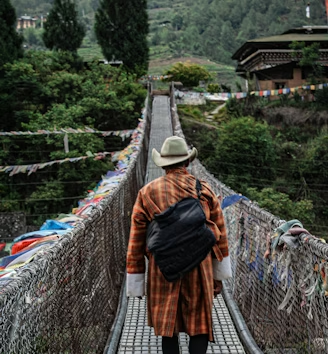

A Transformative Journey into Heritage and Authenticity
Cultural tourism is emerging as one of the most powerful and sustainable ways to experience South Asia. In countries like India, Nepal, and Bhutan, this form of tourism transcends sightseeing—it’s about immersing in living traditions, exploring UNESCO World Heritage sites, and connecting with communities whose ancestral wisdom shapes everyday life.
As global travellers shift away from mass-market attractions toward authentic and meaningful experiences, these three nations are positioned to become cultural powerhouses on the world tourism stage.
India’s cultural tourism is built on its diversity of languages, cuisines, and rituals. With every 100 kilometers,
the landscape—and its stories—change dramatically. India isn’t just visited; it’s felt.
Festivals as Ecosystems
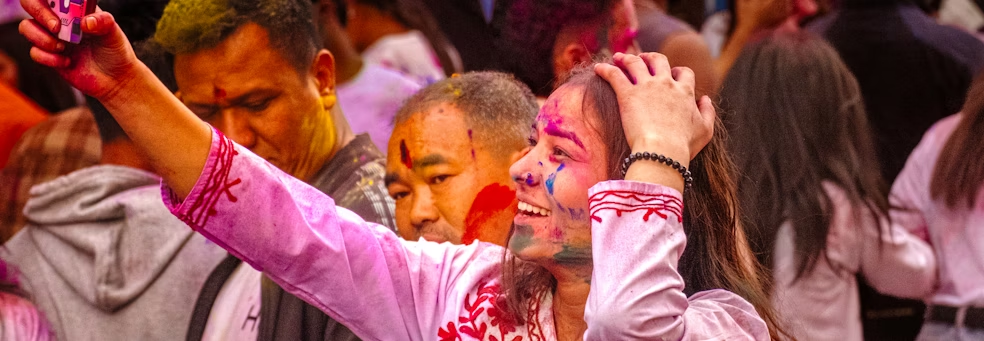
Events like Durga Puja in Kolkata, Holi in Barsana, and Onam in Kerala are not just celebrations-they’re entire micro-economies. These festivals engage artisans, musicians, food vendors, and entire communities, turning cultural heritage into a viable source of income and growth. According to reports, such festivals can increase local business revenues by over 60% during peak season.
Rise of Cultural Tourism Among Indian Youth
According to Skyscanner’s 2025 cultural tourism report, 82% of Indian travellers prioritize culture in their travel plans. Millennials and Gen Z are leading this shift, with 84% of millennials planning trips around cultural experiences—like the Pushkar Camel Fair or Varanasi’s Ganga Aarti.
Beyond the cities, India’s eco-cultural tourism is booming. Visitors are drawn to mud huts in Rajasthan, tribal textiles in Odisha, and folk dances in Nagaland. These experiences empower rural communities while delivering genuine interactions with India’s age-old traditions. Step off the beaten path and discover the soul of the Himalayas through the rural heartlands of Himachal, Uttarakhand, Leh, and Sikkim. These regions offer more than landscapes—they offer authentic cultural experiences rooted in ancient traditions. Himachal Pradesh: Stay in traditional homes in Spiti (Kaza) or Tirthan Valley, learn loom weaving in Kullu, and witness local fairs that bring villages alive. Uttarakhand: Explore Kumaoni and Garhwali villages, join community festivals like Ramman, and engage with forest-dwelling Van Gujjars for a rare cultural
Nepal offers a unique intersection of Himalayan spirituality, Hindu and Buddhist heritage, and ethnic diversity. For cultural tourists, it’s not just about Everest; it’s about the soul of the land.
Living Heritage in the Kathmandu Valley
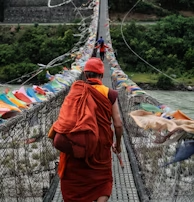
Bhutan stands apart as a country where culture is protected by policy. With a tourism model built around Gross National Happiness (GNH), Bhutan limits tourist numbers to ensure authenticity and ecological balance.
Sacred Monasteries and Mask Dances
Iconic destinations like Paro Taktsang (Tiger’s Nest Monastery) and Punakha Dzong draw travelers not only for their beauty but for the rituals that still take place within their walls. Festivals like Paro Tsechu feature colorful mask dances (Cham), attracting culturally curious tourists from around the world.
Community-Based Cultural Tourism
With government support, Bhutanese villages offer immersive programs where visitors can learn archery, weaving, and Buddhist meditation—all from local experts. The Bhutanese model sets a global benchmark for how culture and tourism can coexist harmoniously.
The Growing Demand for Authenticity
Across India, Nepal, and Bhutan, tourists—both domestic and international—are shifting from sightseeing to story-seeking. In fact:
93% of global travelers now seek authentic cultural experiences.
Searches for destinations like Varanasi, Bhaktapur, and Thimphu have spiked, not for luxury hotels, but for experiences grounded in tradition.
Each of these countries boasts World Heritage sites, but their living heritage is what truly captivates travelers.
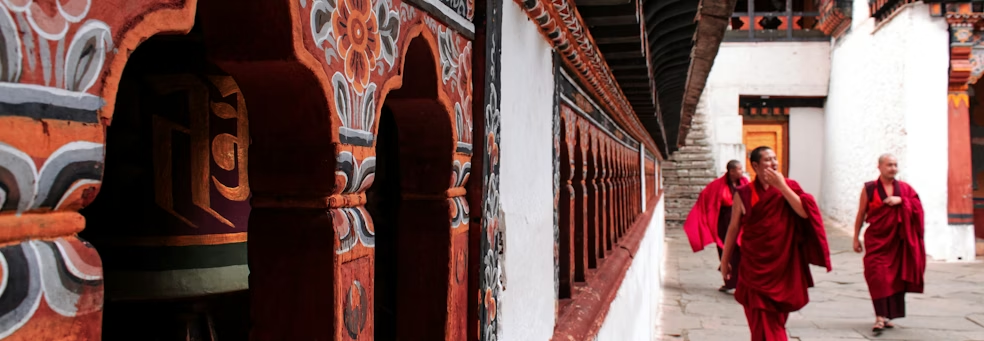
Explore the rich cultural heritage of India, Nepal, and Bhutan.
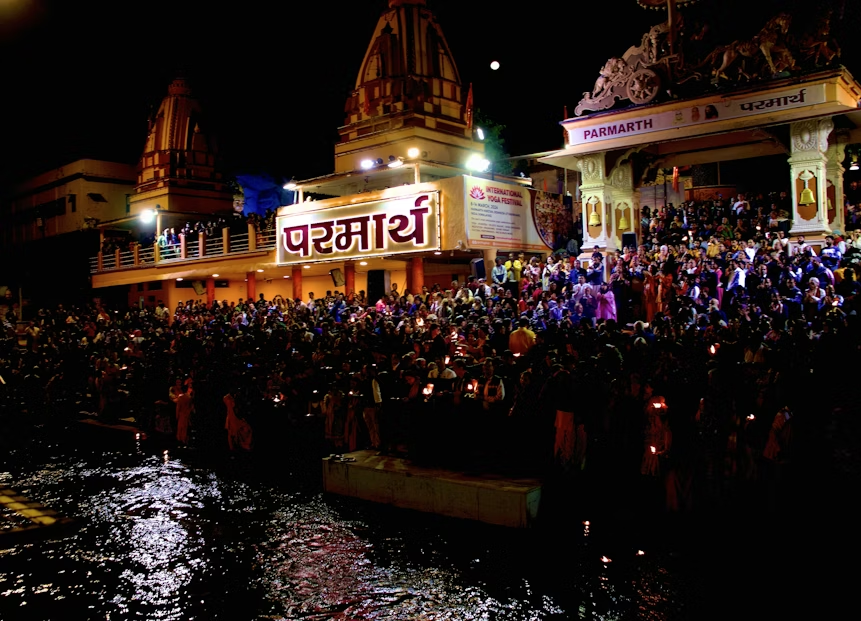
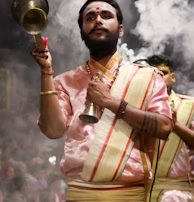
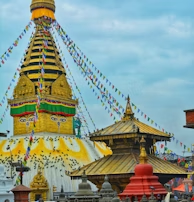
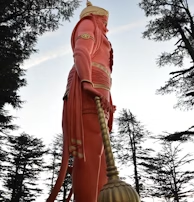
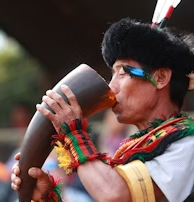
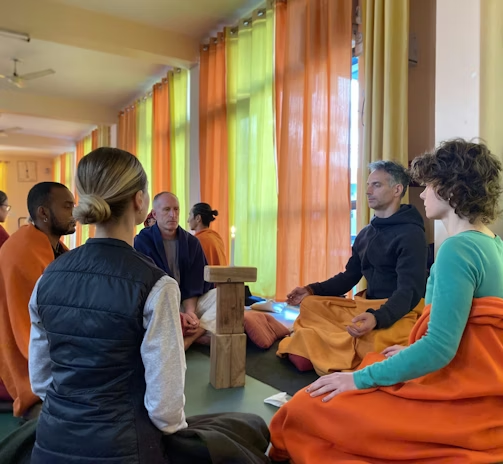
Discover the rich heritage of India, Nepal, and Bhutan.
“Kaza is a surreal escape into the Spitian wilderness! Majestic landscapes, vibrant monasteries, and starry nights make it a dream destination for adventure seekers and solitude lovers. Please keep it clean!”
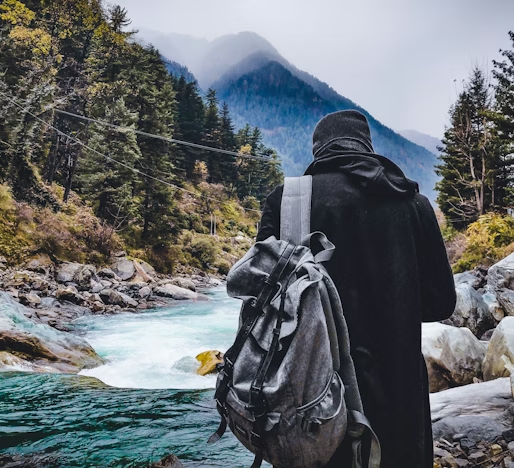
Kaza is a breathtaking Himalayan wonder! Surrounded by rugged mountains and ancient monasteries, it offers a perfect mix of adventure, culture, and serenity.
“A truly transformative retreat. The combination of nature, mindfulness, and healing practices left me feeling refreshed and balanced.”

“From the moment I arrived, I felt a sense of calm. The therapies were exceptional, and the staff made sure every detail was perfect.”
“An absolutely rejuvenating experience! The peaceful surroundings and holistic treatments helped me reconnect with myself on a deeper level.”
“The Ayurvedic retreat offered a serene escape, where every moment was devoted to gentle healing and inner peace!”

What is cultural tourism?
Cultural tourism involves exploring and experiencing the heritage, traditions, and arts of a destination.
Why visit India, Nepal, Bhutan?
These countries offer rich cultural experiences, diverse traditions, and stunning historical sites that attract travelers.
What activities are available?
Visitors can enjoy festivals, local cuisine, art workshops, and guided tours of historical landmarks and cultural sites.
How to plan a trip?
Research destinations, create an itinerary, and consider local customs and festivals for an enriching experience.
Is cultural tourism sustainable?
Yes, it promotes preservation of culture and supports local communities through responsible travel practices.
What are the best seasons?
The best seasons vary; generally, spring and autumn offer pleasant weather for exploring cultural sites in these regions.
Discover the rich heritage of India, Nepal, and Bhutan through immersive cultural tourism experiences.