
EXPEDITIONSDRIVINGTHROUGH HIMALAYAS
10/22/2025
5 min read
Delhi to Ladakh Bike Trip: Essential Tips & Gear
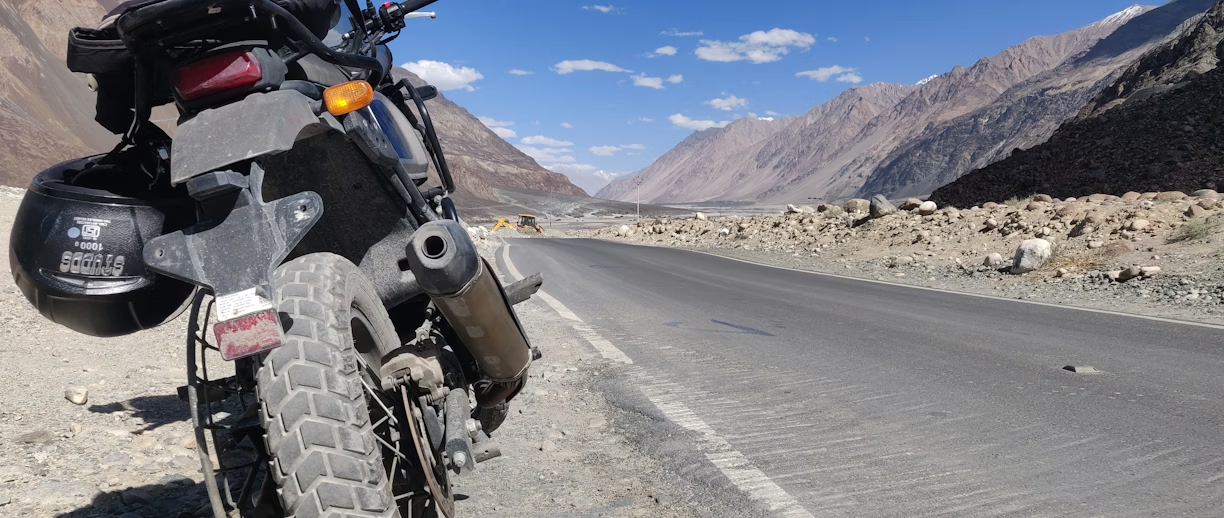
Riding from Delhi to Ladakh via Manali is on every biker’s bucket list and for good reason. You’ll pass through lush valleys, snow-covered passes, and barren high-altitude landscapes that look like another planet. But it’s also a test of endurance. The terrain is rough, the weather is unpredictable, and you’ll be far from repair shops or help for long stretches.
So, being properly equipped is not optional; it’s essential.
Here’s a complete, experience-backed list of tools and gear you’ll need, along with why and where you’ll likely need them most.
1. Motorcycle Tool Kit – For Breakdowns in Remote Terrain
Why it’s needed?
You won’t find mechanics between Keylong and Leh, a 350+ km stretch. If your bike breaks down here, you’re on your own.
Where it helps:
Puncture near a location like Baralacha La (16,000 ft)
Chain issues near Sarchu, where sand and dust clog up parts
Loose nuts or minor electrical failures after Rohtang Pass due to bumpy roads
Pack:
Basic tool kit (spanners, screwdrivers, Allen keys)
Chain lube and brush – essential after dusty patches like Zing Zing Bar
Clutch/accelerator cables – commonly snap in cold at Tanglang La
WD-40 – useful to dislodge stuck bolts in freezing temps
Spare spark plug, fuses, headlight bulb – especially after water crossings
2. Riding Gear – Your First Line of Protection
Why it’s needed?
From city traffic to slippery ice and gravel trails, safety gear protects you from injuries and the extreme weather at high altitudes.
Where it helps:
Rain at Mandi or Manali
Cold winds at Baralacha La, Tanglang La, and Khardung La
Slippery patches after Sarchu and Pang
Must-Have Gear:
-
DOT/ISI-certified full-face helmet
-
Armoured jacket and pants for protection from falls
-
Thermal gloves for Tanglang La
-
Waterproof boots to cross icy streams near More Plains
3. Luggage & Storage – Smart Packing = Smoother Ride
Why it’s needed:
You’ll be carrying everything you need for 10–15 days. Improper packing = poor balance, fatigue, or damaged gear.
Where it helps:
Securing bags during bumpy rides near Keylong and Pang
Accessing small items quickly at a fuel stop in Tandi
Keeping electronics dry during rains in Kullu or Jispa
Pack:
Saddlebags or panniers – well-secured for rough roads
Tank bag – for wallet, documents, maps, snacks
Dry bags – for clothes and electronics in rain/snow
Bungee cords/cargo net – essential for last-minute adjustments
4. Layered Clothing – Stay Warm, Stay Dry
Why it’s needed?
Temperatures swing from 35°C in Delhi to -5°C at night in Pang or Sarchu. Dressing in layers helps you adapt quickly.
Where it helps:
Cold mornings in Sarchu
Sudden snowfall at Baralacha La or Khardung La
Hot daytime riding in Lahaul valley
Pack:
Thermal inners for nights at Sarchu campsites
Fleece or down jacket for Pangong Tso
Waterproof outer layer for Rohtang or Zojila rain
Extra socks and quick-dry T-shirts
5. Camping Gear – Freedom to Stop Anywhere
Why it’s needed:
Hotels can be full or too far. Camping gives you flexibility and costs less. It also lets you stop when needed, especially if feeling unwell due to altitude.
Where it helps:
Camping between Keylong and Sarchu
Scenic spots like Tso Kar or Pangong Lake
If stuck due to a landslide near Upshi or Debring
Pack:
2-person tent, sleeping bag (rated for -10°C), foam mat
Headlamp for night toilet breaks
Compact stove for tea or quick food if stranded
6. Medical & Health Kit – For High-Altitude Survival
Why it’s needed:
Altitude sickness is common after Rohtang and especially at Tanglang La, Pang, and Khardung La.
Where it helps:
Sudden dizziness in More Plains
Headaches, nausea, or breathlessness in Sarchu or Leh
Emergency cuts or falls at water crossings in Zing Zing Bar
Pack:
Diamox (start a day before Sarchu) – consult doctor
ORS sachets to avoid dehydration
Painkillers, motion sickness pills
Sunscreen, lip balm for sun and windburn at 14,000+ ft
8. Fuel Planning – Running Out Isn’t an Option
Why it’s needed:
The Tandi to Karu stretch (365 km) has no fuel stations.
Where it helps:
Fuel refill at Tandi (last pump before Leh)
Refuel again in Leh, especially before Nubra or Pangong trips
Pack:
5L metal jerry cans or Rotopax fuel packs
Funnel for pouring safely
Keep fuel away from campfires and direct sunlight
9. Optional Content Gear – Capture Memories Like a Pro
Why it’s needed:
This journey is unforgettable. Documenting it helps you relive and share your story.
Where it helps:
Helmet cam footage of Tanglang La descent
Time-lapse sunrise at Pangong Lake
Group ride clips near Rohtang or Zingzing Bar
Pack:
Action camera with helmet/chest mounts
Extra batteries and SD cards (no shops after Keylong)
Tripod for landscape shots
Waterproof/dustproof case
10. For Group Riders – Ride Together, Stay Together
Why it’s needed:
Group riding adds safety and fun but needs coordination and responsibility.
Where it helps:
Maintaining distance and pace on slippery passes
Calling for help when someone breaks down near Sarchu
Keeping spirits up in long, cold stretches like More Plains
Pack:
Bluetooth helmet intercoms or walkie-talkies
Assign lead and tail rider
Emergency group first-aid kit
Shared tools and spare parts
Who Is This Delhi to Ladakh Bike Trip For?
The Delhi to Ladakh bike trip is not just a journey—it’s an adventure of a lifetime. However, it’s not suited for everyone. Understanding who this trip is ideal for will help readers decide if they’re ready to take on this epic ride.
1. Adventure Enthusiasts
If you love thrill, high-altitude challenges, and unpredictable terrains, this trip is perfect. Riders experience everything—from smooth highways to rocky mountain passes like Khardung La.
2. Experienced Riders (Preferred)
While beginners can attempt it, having prior long-distance riding experience is highly recommended. Riding for 8–10 hours a day across rough terrains requires skill, endurance, and confidence.
3. Nature Lovers & Photographers
This route offers breathtaking landscapes—snow-capped mountains, turquoise lakes like Pangong Tso, and dramatic valleys. It’s a dream for photography enthusiasts.
4. Budget Travelers & Backpackers
The trip can be done on a moderate budget if planned wisely. Those who enjoy raw travel experiences, camping, and homestays will find it especially rewarding.
5. Fitness & Mentally Strong Individuals
Due to high altitudes (above 18,000 ft), low oxygen levels, and harsh weather, travelers need to be physically fit and mentally prepared.
Cost Breakdown in INR for Delhi to Ladakh Bike Trip
Planning your budget is crucial for a smooth experience. Below is a realistic cost estimate for a 10–12 day trip:
1. Bike Rental / Own Bike Cost
Category Cost (INR)
Bike Rental (Royal Enfield) ₹1,200 – ₹2,000 per day
Total Rental (10 days) ₹12,000 – ₹20,000
Fuel Cost₹8,000 – ₹12,000
Total₹20,000 – ₹32,000
👉 If using your own bike, expect lower costs but include servicing (~₹2,000–₹5,000).
2. Accommodation Costs
Type Cost per Night. Total (10 Nights)
Budget Hotels / Hostels ₹500 – ₹1,000. ₹5,000 – ₹10,000
Mid-range Hotels ₹1,500 – ₹3,000 ₹15,000 – ₹30,000
Camping ₹800 – ₹1,500 ₹8,000 – ₹15,000
3. Food Expenses
Type Daily Cost Total (10 Days)
Budget Meals. ₹300 – ₹500 ₹3,000 – ₹5,000
Mid-range Meals. ₹600 – ₹1,000 ₹6,000 – ₹10,000
4. Permits & Entry Fees
Permit Type. Cost
Inner Line Permit (ILP) ₹400 – ₹600
Environmental Fees ₹300 – ₹500
Total ₹700 – ₹1,100
5. Gear & Equipment (One-Time Investment)
Item Cost
Riding Jacket ₹3,000 – ₹8,000
Riding Gloves ₹800 – ₹2,000
Helmet ₹2,000 – ₹5,000
Luggage ₹1,000 – ₹3,000
Total. ₹6,000 – ₹18,000
6. Miscellaneous Expenses
Category Cost
Bike Maintenance ₹1,000 – ₹3,000
Oxygen Can / Medicines ₹500 – ₹1,500
Snacks & Extras. ₹1,000 – ₹2,000
Total₹2,500 – ₹6,500
💰 Total Estimated Budget (Per Person)
Budget Type Total Cost
Budget Trip. ₹35,000 – ₹50,000
Mid-Range Trip. ₹55,000 – ₹80,000
Premium Trip. ₹90,000+
Quick Insight
-
Cheapest way: Own bike + budget stays
-
Most comfortable: Rental bike + mid-range hotels
-
Biggest expense: Bike + fuel + accommodation
Final Thoughts: Respect the Road, Respect the Ride
Riding from Delhi to Ladakh via Manali is not just a ride, it’s a journey into wild beauty, raw nature, and your own endurance. But it’s also a route filled with risks, and it demands your full respect.
Being well-prepared isn’t about overpacking. It’s about being smart, self-reliant, and ready for the unexpected, whether it’s a flat tire in Sarchu, a snowstorm at Khardung La, or just an empty fuel tank in the middle of nowhere.
So gear up, plan smart, stay humble on the road, and let the Himalayas give you the adventure of a lifetime!
Spiritual Activities in Tirupati:
-
Seek blessings at Sri Venkateswara Temple
-
Offer hair as a symbol of devotion
-
Visit the Sri Padmavathi Temple
7. Shirdi – The Home of Sai Baba
Shirdi is famous for Sai Baba, one of India’s most revered saints. His teachings of faith and patience (Shraddha and Saburi) continue to inspire millions. The Shirdi Sai Baba Temple is visited by devotees seeking blessings, peace, and miracles.
8. Kedarnath – A Sacred Himalayan Pilgrimage
-
Visit the Kedarnath Temple
-
Enjoy the scenic beauty of the Himalayas
-
Take part in the evening Aarti
9. Dwarka – The Kingdom of Lord Krishna
Dwarka, located in Gujarat, is one of the Char Dham pilgrimage sites and the legendary kingdom of Lord Krishna. The Dwarkadhish Temple, with its stunning architecture and spiritual significance, attracts thousands of devotees each year.
Spiritual Experiences in Dwarka:
-
Pray at Dwarkadhish Temple
-
Visit the submerged city of Dwarka
-
Explore the Rukmini Devi Temple
10. Puri – The Abode of Lord Jagannath
Puri, in Odisha, is famous for the Jagannath Temple and the Rath Yatra, an annual chariot festival that attracts millions of devotees. The temple is part of the Char Dham Yatra, making it a must-visit for spiritual seekers.
Top Things to Do in Puri:
-
Witness the Rath Yatra
-
Seek blessings at the Jagannath Temple
-
Relax at Puri Beach for spiritual tranquility
Conclusion
India’s spiritual essence lies in these sacred destinations, offering divine energy, self-discovery, and peace. Whether you seek enlightenment in Bodh Gaya, divine blessings in Tirupati, or tranquility in Rishikesh, each place has something unique to offer. Plan your spiritual journey in India and embark on an experience that will touch your soul forever.